

Cataract Surgery, Sydney
Clearer vision with personalised intraocular lens selection
Cataracts and Cataract Surgery
Trusted Eye Surgeons in Green Square
If your vision has become cloudy, blurry or more sensitive to glare, cataracts may be the cause. At Eye and Retina Specialists, we provide personalised cataract assessments and modern cataract surgery in Sydney, with care tailored to your vision needs, lifestyle and eye health.
Our experienced ophthalmologists consult from our Green Square clinic, conveniently located for patients from Zetland, Kensington, Alexandria, Redfern, Mascot, the Inner West, the Eastern Suburbs and greater Sydney.
What is a Cataract?
A cataract is a gradual clouding of the natural lens inside the eye. The lens helps focus light so you can see clearly. As cataracts develop, vision may become less sharp and everyday activities can become more difficult.
Cataracts commonly develop with age, but may also occur earlier due to genetics, diabetes, previous eye injury, steroid use or other medical factors.

Normal eye compared to eye with a cataract
Common Symptoms of Cataract
Cataracts can cause a range of symptoms, including:
-
Blurred or cloudy vision
-
Glare or halos around lights
-
Difficulty driving at night
-
Faded or dull colours
-
Frequent changes in glasses prescription
-
Increased sensitivity to bright light
-
Trouble reading or seeing fine detail
-
Trouble recognising people's faces

Normal Vision

Cataract Simulation
When Should Cataract Surgery Be Considered?
Cataract surgery is usually considered when changes in vision begin affecting your quality of life or daily activities such as driving, reading, work, hobbies or maintaining your independence. Some patients are troubled by glare, reduced contrast sensitivity or difficulty with night driving. Others may notice increasing difficulty recognising faces, reading in poor lighting or performing tasks that were previously straightforward.
Some people choose to have cataract surgery at an early stage to reduce their need for glasses.
The right timing depends on your symptoms, lifestyle, vision goals and overall eye health. During your consultation, we will assess the severity of your cataract, discuss how it is affecting your vision and explain the potential benefits and limitations of surgery. Our goal is to help you make an informed decision about the whether to proceed to surgery or to defer surgery and continue to monitor. .
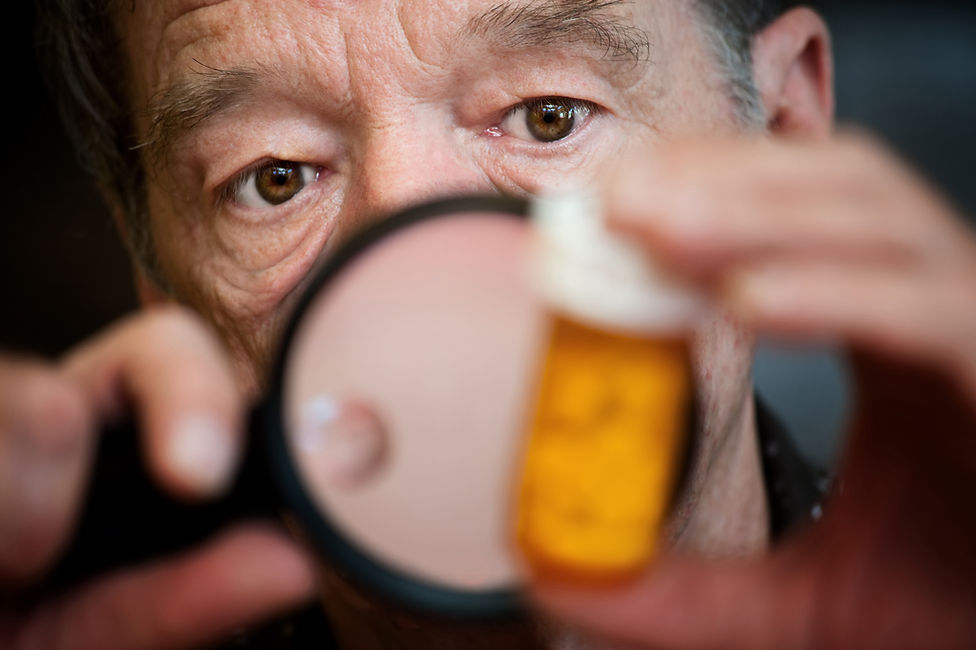
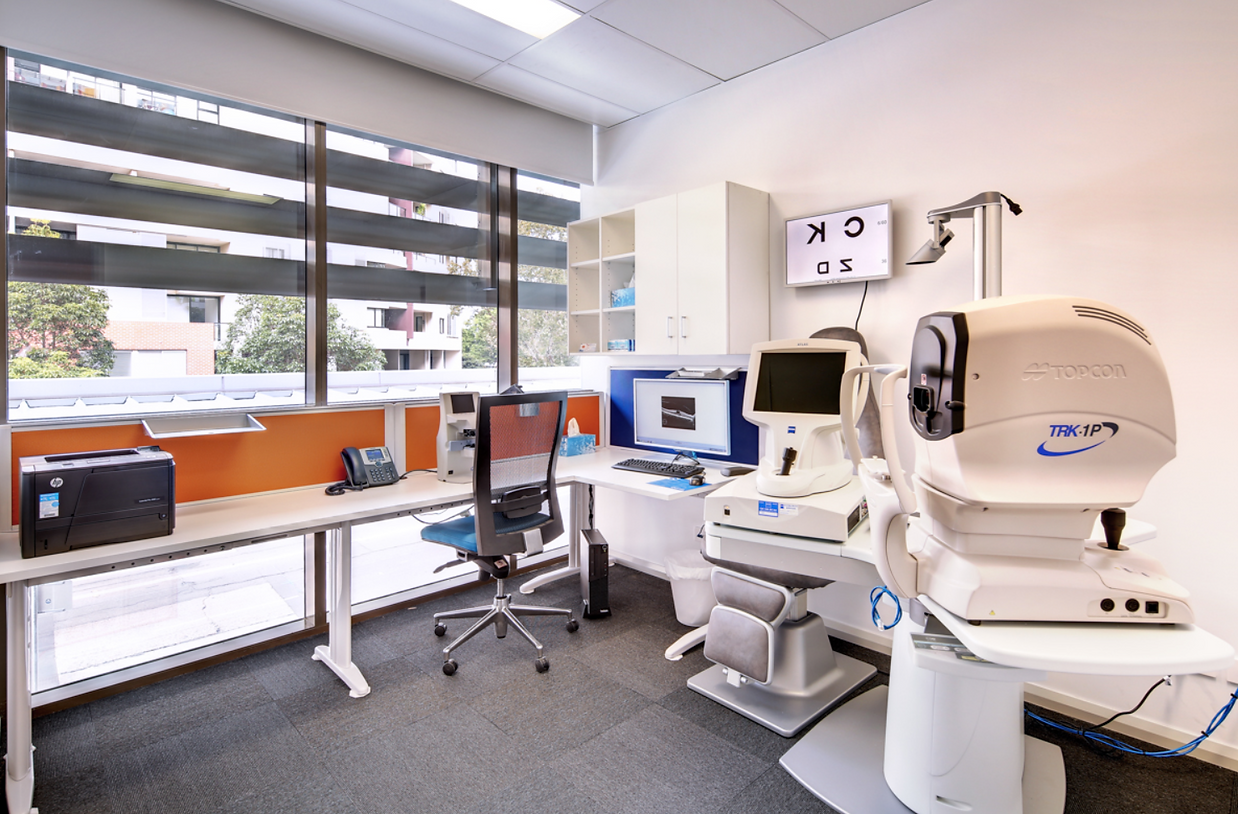
Cataract Assessment in our Sydney Eye Clinic
Your cataract consultation will include:
-
Vision testing
-
Comprehensive eye examination
-
Cataract grading
-
Retinal and macular assessment
-
Discussion of symptoms and lifestyle needs
-
Review of other eye conditions such as macular degeneration, glaucoma or diabetic eye disease
This comprehensive assessment allows us to determine how much of your visual symptoms are attributable to cataract and whether any other eye conditions may influence your vision or treatment options. It also provides an opportunity to discuss your visual goals, answer any questions you may have and ensure that you have realistic expectations regarding the likely outcome of surgery.
Cataract Surgery - What to Expect
Day of Surgery
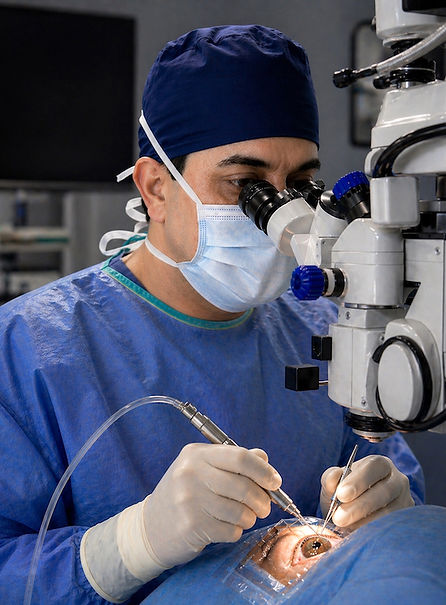
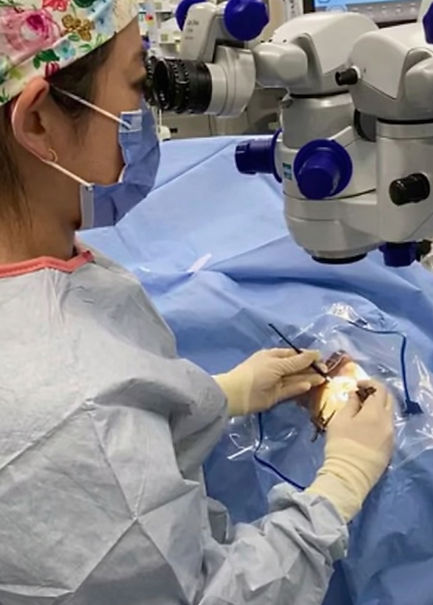
Cataract surgery is usually performed as a day procedure, allowing patients to return home a few hours after their operation. The procedure itself typically takes 15 to 30 minutes and is usually performed under local anaesthetic with light sedation to help keep you comfortable and relaxed.
During surgery, patients are generally awake but comfortable. Most patients experience little or no pain. You may notice lights, colours, movement or changes in brightness during the procedure, although individual experiences vary and some patients perceive very little. Light sedation is commonly used to help patients feel relaxed and comfortable. Some patients remain awake throughout the procedure, while others drift in and out of a light sleep. Many patients find the experience much easier than they anticipated and some recall only parts of the procedure afterwards.
Because sedation is commonly used, patients should arrange for a responsible adult to accompany them home following surgery. If travelling by taxi, rideshare service or public transport, we recommend having someone accompany you. It is also sensible to have your evening meal organised in advance and to plan for a quiet evening at home following the procedure.
Most patients experience little discomfort after surgery, although a mild gritty or scratchy sensation is common during the first day or two. Simple pain relief such as paracetamol or ibuprofen is usually sufficient if required. Patients are normally reviewed in the clinic the following day to assess healing and answer any questions regarding their recovery.
Post Operative Recovery
Most patients notice an improvement in vision within the first few days following surgery, although vision may continue to improve over the following weeks as the eye heals. Reading, watching television and light household activities can usually be resumed immediately following surgery. Patients are able to visit shops, restaurants, offices and other public places shortly afterwards.
Eye drops are usually required for several weeks following surgery and follow-up appointments are arranged to monitor recovery. During the early healing period, patients are generally advised to avoid rubbing the eye, swimming, heavy lifting and dusty or dirty environments that may increase the risk of irritation or infection. Particular care should be taken in environments such as construction sites, workshops or when undertaking gardening. Good hand hygiene is important when applying eye drops, and patients should avoid direct trauma or pressure to the operated eye.
For pet owners, it is sensible to avoid close contact between pets and the operated eye during the initial healing period and to wash hands regularly after handling animals.
Most patients are able to return to driving within a few days once vision has improved sufficiently, although this varies between individuals and your surgeon will advise when it is safe to resume driving. Depending on their occupation, many patients take approximately one week away from work following surgery. Medical certificates can be provided where required, although the appropriate duration of leave will depend on the nature of your work and individual circumstances.
While cataract surgery has a high success rate, the final visual outcome depends not only on the cataract itself but also on the overall health of the eye. Co-existing conditions such as macular degeneration, glaucoma, diabetic eye disease and previous eye surgery may influence the degree of visual improvement that can be achieved. Before proceeding with surgery, your surgeon will discuss the expected benefits, potential risks and likely visual outcomes based on your individual circumstances.
Timing of Second Eye Surgery
Patients undergoing cataract surgery in both eyes frequently report feeling less anxious during surgery on the second eye, having already experienced the procedure and knowing what to expect. It is not uncommon to be a little more aware of the surroundings for the second eye surgery. In most cases we recommend allowing four weeks between first-eye and second-eye surgery. While it is possible to have both eyes operated on closer together, the healing and refractive outcome from the first eye can provide valuable information that may assist planning and intraocular lens selection for the second eye.
Warning Signs After Surgery
Serious infection following cataract surgery (postoperative endophthalmitis) is uncommon, occurring in approximately 1 in 1,000 cases or less. While the risk is very low, early recognition and treatment are extremely important.
Patients should contact our rooms immediately, or attend the nearest emergency department without delay, if they experience increasing pain, worsening redness, a sudden deterioration in vision, increasing sensitivity to light, worsening swelling in or around the eye or pus discharging from the eye. These symptoms are particularly important during the first 3-7 days after surgery, although they can occasionally occur later.
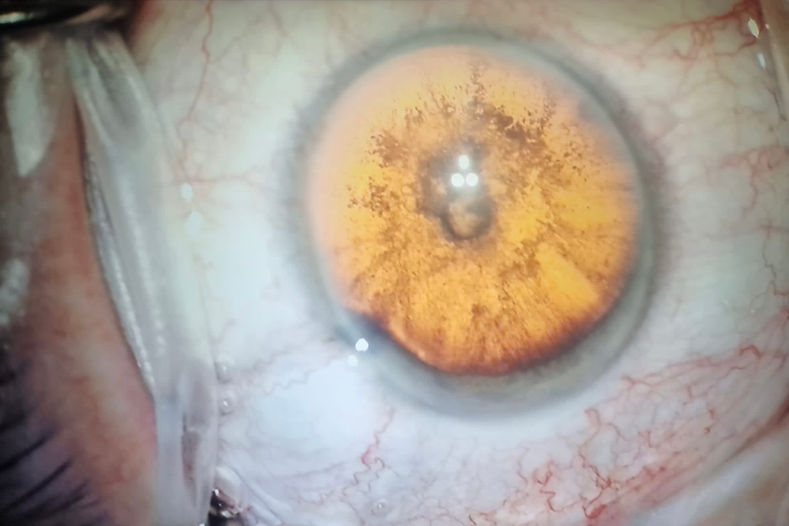
Cataract Surgery - View from Operating Microscope

Intraocular Lens (IOL) Options for Cataract Surgery
One important decision for people considering cataract surgery is the choice of intraocular lens (IOL). In cataract surgery, the cloudy natural lens is broken into pieces and removed from the eye. A permanent artificial lens, known as an intraocular lens, is then carefully placed in your eye and will focus light from the outside world into your eye replacing the cloudy lens that was removed. Selecting the most appropriate lens requires careful consideration of your visual needs, lifestyle, occupation, hobbies and the overall health and anatomy of your eyes.
Monofocal Intraocular Lenses
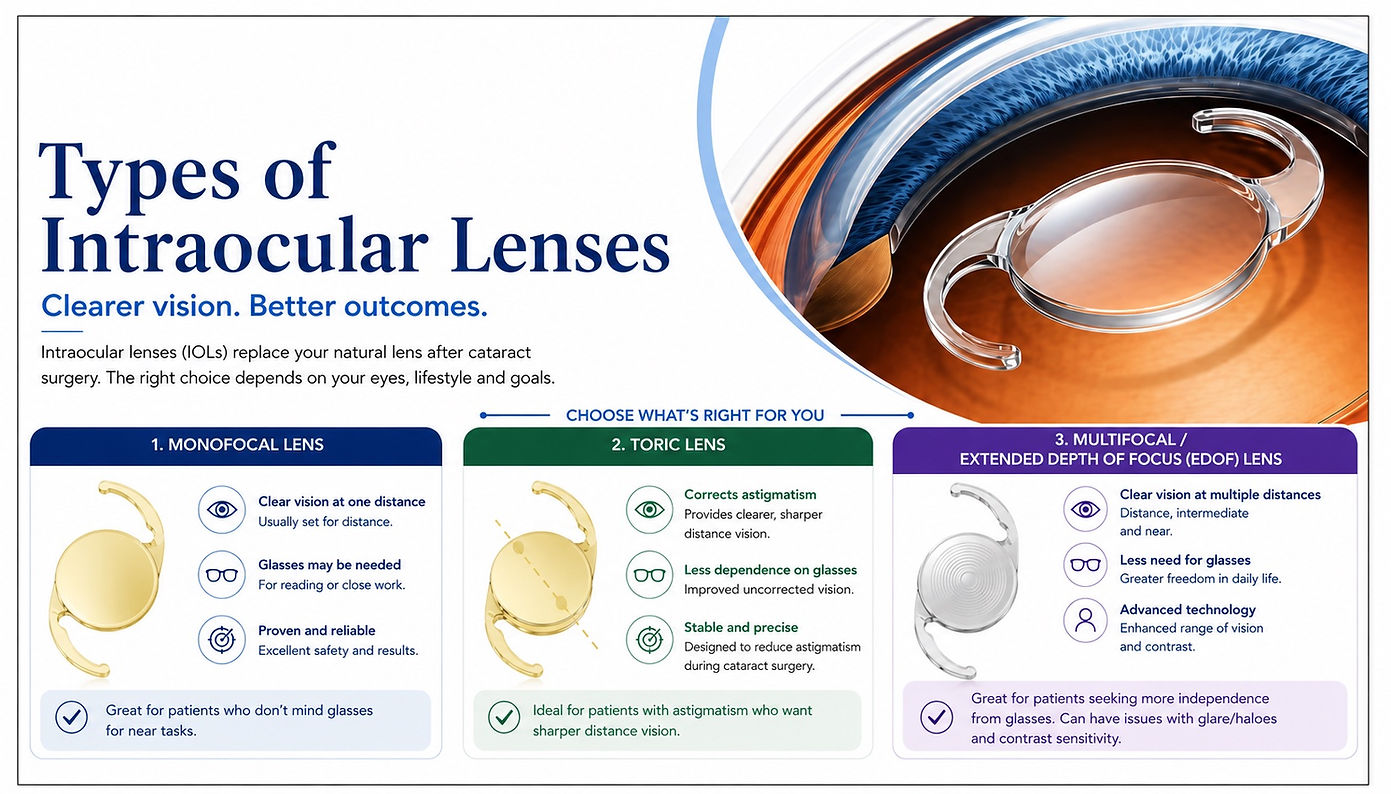
For many patients, a standard monofocal lens remains an excellent option. Monofocal lenses are designed to provide clear vision at a single focal distance, most commonly for driving and distance vision. If the rest of the eye is healthy, they usually produce an excellent quality of vision.
Patients choosing a monofocal lens will usually still require glasses for reading and some intermediate tasks. Monofocal lenses continue to be the most commonly implanted lens worldwide and are capable of providing excellent quality of vision with minimal visual side effects.
Toric Intraocular Lenses
Patients with significant corneal astigmatism may benefit from a toric intraocular lens. Astigmatism occurs when the front surface of the eye is not perfectly round, resulting in blurred or distorted vision. A toric lens has a stronger powered component in one direction, and needs to be individually chosen and ordered for each patient if required, depending on the amount of astigmatism
During surgery, the toric IOL is carefully placed in the eye and rotated to align with the correct axis aiming to reduce astigmatism post operatively.
Multifocal Intraocular Lenses
Multifocal lenses are designed to provide vision at multiple focal distances and may reduce dependence on glasses for distance, intermediate and near tasks. Some patients achieve a high degree of spectacle independence following surgery. The quality of vision is usually excellent during the daytime and in conditions with good illumination.
Multifocal lenses involve optical compromises and may be associated with halos, glare, reduced contrast sensitivity and visual disturbances, particularly at night. This can be an issue with patients who perform regular night time driving. While the glare and haloes often settles after 3-6 months, in a small number of patients it can persist requiring removal of the IOL. Careful patient selection and understanding is important before the operation.
Extended Depth of Focus (EDOF) Intraocular Lenses
Extended depth of focus lenses represent a newer technology in IOL technology. They are designed to provide a continuous range of vision, particularly for distance and intermediate activities such as computer use, dashboard viewing and many everyday tasks such as computer use and seeing prices when grocery shopping. Compared with traditional multifocal lenses, EDOF lenses generally produce fewer halos and less glare around lights. There have been issues reported of decreased contrast sensitivity with EDOF lenses compared to monofocal lenses.
EDOF lenses provide less near vision than multifocal lenses. . Many patients will still require reading glasses for prolonged reading or very fine print. EDOF lenses may represent a good compromise for patients seeking greater spectacle independence while reducing the risk of significant glare and haloes at night.
Which Intraocular Lens (IOL) is Best?
There is no single "best" intraocular lens that suits every patient. The most appropriate lens depends on a variety of factors including your visual priorities, occupation, lifestyle, previous laser vision correction, presence of astigmatism and any co-existing eye conditions such as glaucoma, macular degeneration or diabetic eye disease. The anatomy of our eye can also influence the decision. Some people like the ideas of continuing to wear glasses after surgery, while others are keen to reduce their need for glasses and contact lenses.
During your consultation, Dr Neil Sharma or Dr Linda Zheng will discuss the advantages, limitations and potential trade-offs of the available lens options and help guide you towards the most appropriate choice for your individual circumstances.
Cataract Surgery Cost Sydney
At Eye and Retina Specialists, we believe patients should understand their expected costs before proceeding with surgery. Following your consultation and assessment, we provide a written estimated quotation outlining the anticipated surgeon, hospital and anaesthetic fees, together with any applicable Medicare and private health insurance rebates. This allows patients to make an informed decision with a clear understanding of the expected costs before surgery.
The cost of cataract surgery varies depending on a number of factors, including your level of private health insurance cover, the hospital where surgery is performed and the type of intraocular lens selected
We understand that cost can be an important consideration for many patients. At Eye and Retina Specialists, we strive for equitable access to eye health care. We offer a reduced rate for pensioners and those with genuine financial need. For patients without private health insurance who cannot afford surgery in a private hospital, alternative options may be available. We can discuss these with you during your visit.
Why Choose Eye and Retina Specialists?
Patients choose our clinic for:
-
Personalised, patient-centred care
-
Careful lens planning
Patients should consider the surgeon's training, experience, access to modern diagnostic technology and the level of care provided before, during and after surgery.
At Eye and Retina Specialists, cataract surgery is performed by specialist ophthalmologists Dr Neil Sharma and Dr Linda Zheng, who provide comprehensive cataract assessment, lens selection and surgical care tailored to each patient. Our surgeons take the time to assess your individual requirements and expectations, and based on your refraction, ocular anatomy, visual needs and lifestyle discuss with you the options of intraocular lenses that are available and help you make a decision. This critical task is not delegated to other members of staff.
Dr Neil Sharma has extensive experience in cataract surgery and medical retina, including the management of macular degeneration, diabetic retinopathy and retinal vein occlusions. His expertise is particularly valuable when planning cataract surgery in patients with co-existing retinal disease, where visual outcomes may be influenced by underlying retinal pathology.
Dr Linda Zheng has a particular interest in refractive cataract surgery, including cataract surgery in patients who have previously undergone LASIK, PRK and other forms of lasereye surgery Accurate lens selection in these patients can be more complex and often requires additional measurements, specialised intraocular lens calculations and careful surgical planning to optimise visual outcomes.
Every patient undergoes a detailed assessment including ocular biometry, corneal measurements and comprehensive eye examination to assist with lens selection and surgical planning. We take the time to discuss the advantages and limitations of monofocal, toric and premium intraocular lens options, including multifocal and extended depth of focus (EDOF) intraocular lenses, so that patients can make an informed decision based on their lifestyle and visual goals. There are advantages and disadvantages of each, with no one lens suitable for all patients.
Our clinic combines experienced surgeons with modern diagnostic technology, personalised care and convenient access. Located in Green Square, Sydney, we offer free patient parking, lift access and ongoing postoperative care.
Whether you are seeking standard cataract surgery or considering advanced lens technologies to reduce dependence on glasses, our aim is to provide clear information, realistic expectations and high-quality surgical care at every stage of your treatment in a comfortable and caring environment.
We strive to make your experience clear, professional and supportive from consultation through to follow-up care. Our surgeons perform cataract surgery at Sydney Surgical Centre in Randwick, the Sydney Private Hospital in Ashfield and Royal Prince Alfred Hospital in Camperdown.
Cataract Surgery Sydney
Frequently Asked Questions (FAQs)
Q1. Are cataracts a film or "skin" growing over the eye?
This is a common misconception. Cataracts are actually a clouding or opacification of the natural lens inside the eye. The lens of the eye sits near the front of the eye, behind the iris (the coloured part). Cataracts most commonly occur with normal ageing, although can happen at any age.

Q2. Is cataract surgery painful?
No, cataract surgery is usually not painful. Our anaesthetist will prepare you for surgery, frequently administering a light sedation so you are relaxed and comfortable. The surgery is most often performed using a local anaesthetic block or topical numbing eye drops so you do not have any pain or discomfort during the operation. You may be aware of music playing, people talking or the sound of the equipment during the operation but you should feel calm and pain free. If there is any discomfort, we can administer more anaesthetic or sedation if required - just let us know. We want the operation to be as pain and stress free as possible for you.
In rare individual circumstances, a general anaesthetic can be used for the surgery if needed and medically suitable.
Q3. How long does cataract surgery take?
We perform cataract surgery as a day surgery procedure. You normally are asked to arrive before the operation with sufficient time to change into theatre attire, have your preoperative checks confirmed and eye drops administered prior to surgery. The operation itself usually takes around 15–20 minutes.
Q4. How long is recovery after cataract surgery?
Most patients notice improved vision the following morning or within a few days, although final healing can take several weeks. Antibiotic eye drops are prescribed following the surgery to reduce the risk of infection and anti-inflammatory eye drops to help the eye with healing.
We recommend patients avoid heavy lifting for up to 4 weeks following surgery. It is important to let the eye settle for a few days, and to ensure the vision is good, before resuming driving. We ask you talk to your surgeon about your particular case.
Q5. What are the risks with cataract surgery?
Cataract surgery is widely considered the most successful and safest operation in modern medicine, with success rates often exceeding 95%. Nevertheless it is important to understand that every operation contains risks, and to discuss these with your surgeon before deciding to proceed.
There is a 2-3% risk of a complication during or after the surgery that may need re-operation. There is a less than 1 in a 1,000 risk of a serious infection or serious bleed that may result in loss of vision or loss of the eye. There is a very rare auto-immune condition called "sympathetic ophthalmia", where an operation on one eye can cause loss of vision in both eyes due to auto-antibodies. The risk of this occuring is less than 1 : 14,000.
While every care is taken to measure the eye and use complex equipment and calculations to calculate the intraocular lens (IOL),every human eye is different. On occasions the predicted post operative refraction can be significantly different to the actual outcome, known as a "refractive surprise". This may result in glasses or contact lenses needing to be worn after the operation, or laser surgery enhancement performed. With newer technologies and experienced surgeons, the risk of refractive surprise has decreased.
Q6. Can cataracts come back after surgery?
The cataract itself cannot return once removed. Some patients later develop clouding of the lens capsule behind the implant, known as "posterior capsular opacification" (PCO). This can usually be treated with an in-office laser procedure that takes only a few minutes.
Book a Cataract Consultation
If you are experiencing cloudy vision, glare or worsening sight, a cataract assessment can help clarify your options.
To arrange an appointment, contact Eye and Retina Specialists today.